
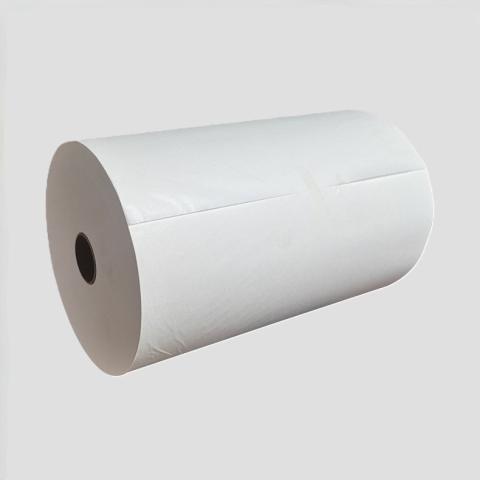
- Grammage: 18 gsm, 22 gsm, 28 gsm, 35 gsm, etc.
- Colour: Natural wood-pulp colour or high whiteness.
- Dimensions: Flat sheets (e.g. 30 cm x 40 cm, 40 cm x 60 cm) or slit rolls; custom sizes available for standard dimensions.
Cotton paper is a soft cotton-feel sheet made from virgin wood pulp — light, bulky and porous rather than dense and stiff. The name comes from the hand feel, not the fibre: this is a wood-pulp paper, not a cotton-fibre sheet and not an artist paper. Because its open structure absorbs surface oil and lets moisture vapour escape, the sheet is widely used as oil-absorbent liners for fried and baked food, box liners, wrapping and soft cushioning.
As a paper supplier and sourcing partner, Bofeng offers cotton paper in a natural wood-pulp shade or high whiteness, as flat sheets or slit rolls. Tell us how the sheet will be used and converted, and we will match grammage, colour and format to your line.
What is cotton paper
Cotton paper is formed from clean virgin wood pulp into a light, bulky sheet with a soft, cotton-like surface and a porous, breathable structure. It is produced in thin basis weights — typically 18–35 gsm — in a natural wood-pulp shade and a high-white shade. Because it looks and feels as soft as fabric, it is sometimes mistaken for cotton-fibre paper; the two are different products, and the cotton paper on this page is a wood-pulp paper throughout.
Key material properties
- Soft, cotton-feel touch. Bulky, light and gentle in the hand, the sheet drapes and cushions rather than standing stiff — the feel that suits wrapping and protective lining.
- Oil absorption. The open, porous fibre structure takes up visible surface oil from fried and greasy food, so a liner sheet keeps food looking clean and tasting crisp.
- Breathability. Moisture vapour escapes through the sheet, so wrapped or lined food is less likely to soften from trapped dampness.
- Gentle separation. The smooth, soft surface separates pieces of pastry, confectionery and baked goods during packing and display without sticking.
- Food-contact option. Where the paper will touch food, a food-contact grade made from clean virgin pulp is available that meets food-contact safety requirements; supporting documentation is available offline on request. Food contact is one option for this paper, not its defining role.
- Converting and end of life. The sheet slits, cuts, folds and embosses cleanly, and is made from renewable wood fibres that biodegrade in natural conditions.
Supply forms and options
- Flat sheets or slit rolls.
- Natural wood-pulp shade or high white.
- Thin grammages of 18, 22, 28 and 35 gsm, with other thin weights on request.
Typical end uses
Because cotton paper is soft, oil-absorbent and breathable, it is commonly used as:
- Oil-absorbent liner sheets under fried chicken, chips, pizza, pastries and other fried and baked food
- Lining and separation paper in pastry, confectionery and chocolate boxes
- Soft, breathable wrapping for fresh produce
- Gift wrap and floristry wrap, and crumpled cushioning inside boxes
- Cushioning and protective paper for handicrafts and light products
As a liner the paper takes up surface oil rather than forming a grease barrier, so it suits short-contact lining and wrapping rather than long-contact barrier packaging.
See also the tissue-family pages for related soft thin sheets: MG tissue paper · MF tissue paper · Colored tissue paper.
How to order and choose
Tell us the end use — liner sheets, box liners, wrapping or cushioning — and the converting step, and we will recommend a starting grammage and colour. Cotton paper is supplied as sheets or slit rolls, with custom sizes available for standard formats. Request samples to trial on your own line.
Bofeng New Materials supplies cotton paper in rolls or sheets to paper converters, packaging producers and distributors worldwide.
Request samples or a quote: jason.zhan@bofmat.com
Related: Cotton Paper · MG tissue paper · MF tissue paper · Colored tissue paper