On a retail shelf, the packaging is the sales surface. The same pack has to hold the product, carry the price and traceability information, survive handling by shoppers, and still look presentable under display lighting for the whole of its shelf life. That combination is what makes retail a cross-line problem rather than a bag problem.
Three Families Behind One Shelf
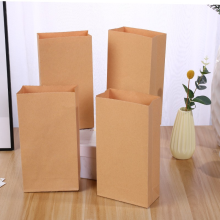
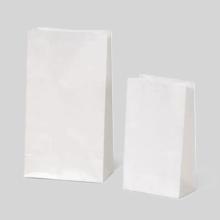
- Retail and carrier bags - kraft and white kraft bags carry the product out of the store. Basis weight, handle or block-bottom construction, and print quality decide how the brand reads in the shopper's hand.
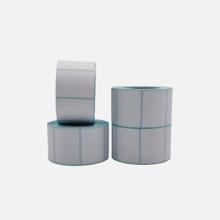
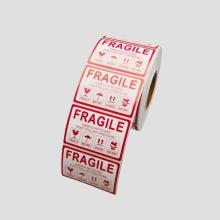
- Thermal and shelf labels - price, weight and date information is usually applied at store level. Print contrast, adhesive behaviour on a damp or chilled surface, and die-cut format are the operative variables.
- Absorbent pads - for fresh counters, the pad keeps the tray presentable through the display period. Absorbency under the actual load, and how the pad looks once saturated, decide whether the tray still sells on day three.
Product families: eco paper bags, eco labels and fresh absorbent pads. Shelf-ready sticker formats are covered under functional labels.
What to Settle in the Specification
- The shelf life of the pack, not of the product. Retail packs are judged over the whole display period, which is usually longer than the delivery window.
- Where the label is applied and by whom - at the packing house or in store. The two settings have different surface conditions and different equipment.
- Whether the pack will be handled while damp. Chilled and frozen counters produce condensation that a dry-handling specification does not cover.
- Print expectations for the bag, including how the design reads at the distance a shopper actually stands.
- Tray and pad dimensions together, since the pad has to sit flat inside the tray without lifting the product.
- Display lighting. Long exposure to bright lighting affects how a printed or coated surface is perceived over the display period.
Where Retail Packs Go Wrong
- Specifying the bag for transport and the label for the shelf. Both are judged by the shopper, in the same hand, at the same moment.
- Choosing a label format the store's equipment cannot handle. The die-cut has to match the printer actually in use at the counter.
- Underestimating the display period. A pack that looks right on day one and tired on day three loses the sale it was meant to win.
- Treating the pad as a commodity. Two pads with similar capacity can look very different once saturated, and the difference is what the shopper sees.
FAQ
Should retail bags and shelf labels be sourced together?
They should at least be specified together. Both are judged by the same shopper at the same moment, so a mismatch between them is visible even when each is individually correct.
What label format suits a chilled counter?
One whose adhesive is specified for the surface condition at the counter, and whose die-cut matches the store's printer. Format and adhesive are decided by the counter, not by the product.
How long should a retail pack stay presentable?
For the full display period, which is set by the retailer rather than by the pack. State that period in the brief so it can be designed against.
Does an absorbent pad change how the tray is merchandised?
It can, because the pad determines how the tray looks after the first few hours. Where presentation drives the sale, the pad belongs in the merchandising decision, not only in the packing decision.