
Bakery packaging needs more than a nice paper feel. Croissants, cakes, pastries, cookies, bread, muffins and butter-rich foods can expose packaging to oil, moisture, heat, sugar and release requirements. The right barrier paper depends on whether the package is used for baking, lining, wrapping, bags, trays or retail presentation.
Common Bakery Packaging Applications
- Bakery bags for bread, cookies, pastries and take-away snacks.
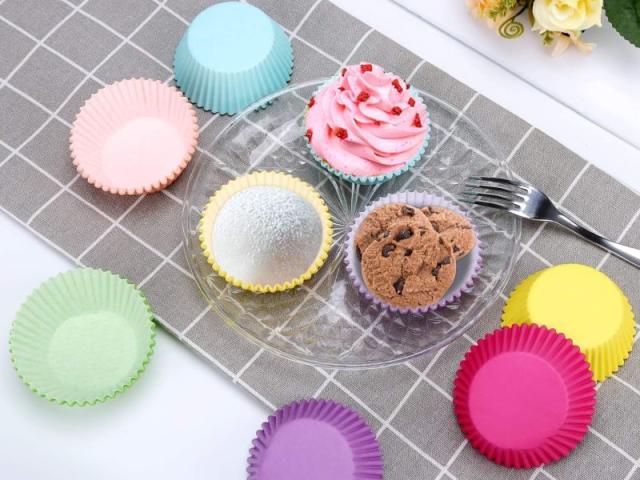
- Cupcake liners, muffin cups and roll-rim baking cup paper.
- Parchment paper for baking, release and tray lining.
- Greaseproof liners for butter-rich pastry, donuts and oily baked goods.
- Window bags, sandwich wraps, deli sheets and retail bakery packaging.
Material Options
| Material | Best fit | Buyer focus |
|---|---|---|
| Food-grade greaseproof paper | Pastry liners, bakery bags, tray liners and oily baked goods | Grease resistance, PFAS-free declaration, print-side control |
| Silicone-coated parchment paper | Baking, release, tray lining and high-temperature bakery use | Release performance, heat resistance, food contact documents |
| Water-based barrier coating paper | Bakery packaging that needs oil and moisture resistance with a paper-based direction | Oil/water holdout, recyclability evidence, converting performance |
| PHA-coated greaseproof paper | Bio-based or compostability-oriented bakery packaging projects | Food contact, coating stability, compostability claim evidence |
What to Test
- Grease resistance with butter, oil, chocolate, cream or pastry filling.
- Moisture resistance for warm bread, condensation or refrigerated bakery items.
- Release performance for baking liners, parchment and cupcake cups.
- Heat resistance and dimensional stability under baking or warming conditions.
- Printability, ink rub, odor and sensory impact.
- PFAS-free declaration, food-contact statement and migration test when needed.
Greaseproof Paper vs Parchment Paper
Greaseproof paper is usually selected for oil holdout in everyday bakery packaging. Parchment paper is more focused on release and heat resistance during baking. If the paper goes into the oven or must release from sticky dough or sugar, parchment is often the first material to test. If the packaging is mainly a bag, liner or wrap for finished bakery products, greaseproof or coated barrier paper may be more practical.
Buyer Recommendation
For dry bread and cookies, start with bakery bag paper or light greaseproof paper. For butter-rich pastry and donuts, test higher grease resistance and PFAS-free documentation. For baking liners and cupcake cups, focus on parchment, release performance and heat resistance. For premium PFAS-free or plastic-reduction projects, compare PFAS-free barrier paper, water-based barrier paper and PHA-coated paper.
Bofmat can help match bakery packaging paper to food type, baking temperature, oil content, printing and target market documents. Review related guides on greaseproof vs barrier paper, compostable vs recyclable barrier paper, and food contact paper documents, or request samples for real bakery testing.