
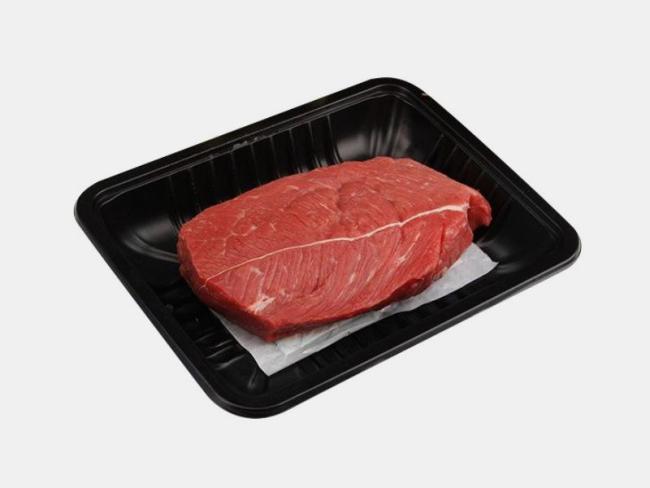
Meat packaging absorbent pad

Gas flushing is not a replacement for the pad — it answers a different problem. Modified-atmosphere packaging (MAP) manages the gas around the meat; the pad manages liquid water, which gas cannot touch. This guide explains what a pad must finish before a heat-seal or skin line closes the pack, where the water inside a sealed tray actually comes from, and when an absorbent pad on an automatic line genuinely cannot be skipped.

1. What the pad must finish before the seal

Once the line seals the pack, nothing gets in and nothing is taken out. Everything the pad must do happens in the seconds before that point:

  • Take purge out of the path of the seal. Liquid pooling under the sealing flange is a classic cause of failed seals — the pad has to pull the purge away in time.
  • Keep the tray base dry through handling. The pack is gripped, indexed and stacked on the line; a pad that weeps under that pressure lets purge reach the product and the tray again.
  • Stay where it is placed. It must not drift over the meat or into the seal zone as the tray moves down the line.

2. Where the water in a MAP pack comes from

Inside a sealed tray there are two sources of water, and neither can be cleaned up once the lid is on:

  • Purge from the meat. Release continues under chill for most cuts, especially sliced and portioned product.
  • Moisture carried by the gas. The gas mix is not dry; it carries water vapour that condenses on the coolest surface — usually the film or the tray wall — as the pack chills.

On an overwrap line a worker can blot or remove excess purge before the film goes on. In MAP the seal closes that door: from the moment it is sealed, the pad is the only drainage still working inside the pack.

3. Placing the pad on the line: rolls vs sheets

Where and how the pad lands is a machine decision before it is a product decision:

  • Roll-fed pad applicators cut and place a pad as each tray indexes — best suited to high throughput. Pads come from roll stock, sized and spaced for the applicator.
  • Single sheets suit semi-automatic or lower-speed lines and manual placement before the sealing station.
  • Placement tolerance matters. Every pad must land inside the inner base and clear of the sealing flange. Ask your machine builder for the applicator's placement accuracy and keep the pad within it.

If you feed pads from roll stock, see fresh food absorbent rolls for the roll format and what to confirm with your machine builder.

4. Do you need a pad? A comparison by pack style

Pack stylePad needed?How it is placedWhy
Overwrapped foam trayUsually yesSheet dropped before the overwrapOverwrap is not airtight; purge keeps pooling
Fully sealed MAP tray (lidding film)YesPlaced before lidding, inside the sealGas does not absorb liquid; no access after the lid
Skin pack (film drawn onto the product)Often, usually lighterPlaced under the meat before the skinThe film holds the product, not liquid; purge can pool in the tray bottom
Bulk gas-flushed pack (a whole carton flushed)Yes, tray by trayPer tray before the carton closesCarton gas does not absorb what each tray releases

5. Common misconceptions on the line

  • "MAP means no pad." Gas exchange and liquid management are different jobs; removing the pad does not dry the tray.
  • "A bigger pad is safer." An oversized pad crowds the headspace and can lift the film or shrink the gas volume the pack was designed for.
  • "Placement is close enough." A pad a few millimetres out of tolerance can sit under the flange — the leak is then blamed on the sealer, not the pad.

6. FAQ

Why does a MAP pack still need a pad?

MAP changes the gas around the meat; it does not remove the liquid the meat releases. Water inside a sealed tray has nowhere to go, so the pad is the only layer managing it.

Does a skin pack need a pad?

Often yes, though usually a lighter tier. The film holds the product in place but does not absorb, so purge can still pool in the tray bottom under the meat. Judge the tier with a purge test on that exact pack.

Rolls or sheets for our line?

Rolls suit high-throughput automatic lines with a pad applicator and mean fewer stops to reload. Sheets suit semi-automatic or manual placement. Confirm the format with your machine builder before you spec.

Will the pad affect the gas ratio or the headspace?

Anything inside the tray occupies headspace, so an oversized or thick pad leaves less room for the gas the recipe assumes. Match the pad's thickness and footprint to the tray volume, not only to absorbency.

7. Where to look next

Our meat absorbent pads line is the starting point; the entry guide to trays and cuts covers first-pass sizing before you reach the line. For pads fed from roll stock on an automatic line, see fresh food absorbent rolls.