
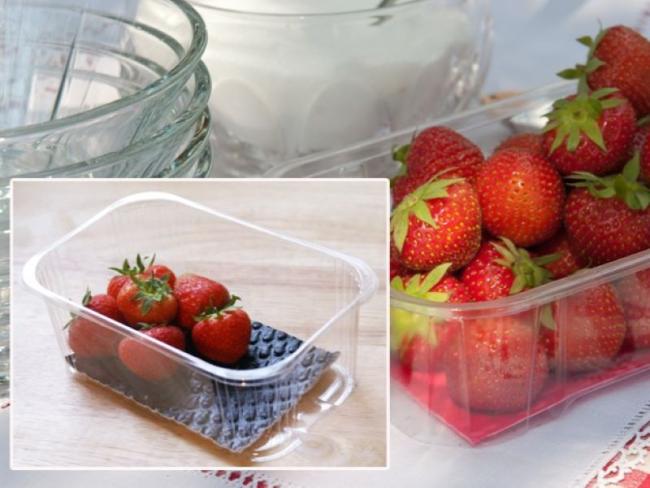
Fruit Absorbent Pad is a packaging aid specially designed to absorb and lock in excess moisture released from fruits during transport and storage. It reduces the humidity around the fruit through physical absorption, thus effectively delaying the rotting and deterioration of the fruit due to excess water, which is one of the key technologies to enhance the freshness and extend the shelf life of the fruit.
Features
Moisture management: Fruits will naturally release water during the ripening process, and the absorbent pad can quickly absorb this excess water to avoid rotting and germs growth caused by soaking fruits in water.
Maintaining dryness: By isolating the fruit from standing water, a relatively dry preservation environment is created, which is conducive to maintaining the freshness and taste of the fruit.
Reduce mechanical damage: The absorbent pad also acts as a cushioning material to reduce collision and vibration during transport, reducing physical damage to the fruit.
Inhibit the spread of disease: high humidity environment is prone to induce the growth of fungi, absorbent pads can effectively reduce this risk and reduce the loss of fruit due to disease.
Material composition
Fruit absorbent pads are usually made from safe, non-toxic materials to ensure that they do not affect the quality of the fruit. Common materials include:
PE film (polyethylene film): with excellent waterproofing properties, it stops water penetrating underneath the pad and keeps the fruit storage area dry.
Perforated film: with a microporous structure that allows air circulation and controls moisture absorption and release to maintain a moderate humidity balance.
Non-woven fabric: soft texture, good moisture absorption and breathability, suitable for direct contact with fruits, and environmentally friendly and biodegradable.
Application in fruit preservation
Fruit absorbent pads are widely used in the packaging of various fruits, especially for those high moisture, perishable varieties, such as strawberries, grapes, cherries and so on. By placing a layer of water-absorbent pad at the bottom of the box, it can significantly improve the overall appearance and eating quality of the fruit, reduce loss and increase the value of the commodity, as well as bring a better shopping experience for consumers.
As an innovative preservation technology, fruit absorbent pad not only solves the problem of fruit preservation, but also promotes the optimisation and upgrading of the logistics chain of agricultural products. Its simple and efficient characteristics make it one of the standard configurations for freshness packaging in the fruit industry, providing strong support for guaranteeing the freshness of fruits from origin to table.