
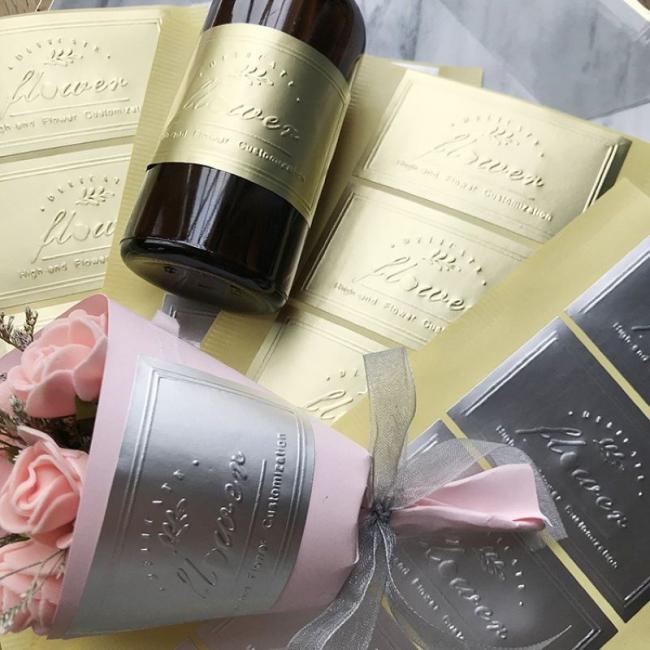
- Base material: Aluminum foil laminated paper
- Temperature range: -40°C to +300°C continuous; short-term up to 350°C
- Thickness options: 50 μm / 60 μm / 80 μm, etc.
- Printing methods: Thermal transfer (recommended), laser engraving
- Adhesive: High-temperature-resistant acrylic; silicone-based grade optional
- Special properties: Chemical and corrosion resistance; electromagnetic (EMI/RFI) shielding; fire-retardant and flame-retardant; dimensional stability
- Size / die-cut shape / adhesive grade: customised to the application
A label that rides a PCB through a reflow oven, or sits in an engine bay, a chemical plant or an aerospace assembly, does more than name a part — it carries a serial number or barcode that someone still has to read months later. When the label cannot take the heat, the flux, the solvent wash or the engine oil, it curls, chars, smears or lifts — and the part is left with no readable history: no trace, no warranty answer.
We supply aluminum foil paper labels — a thin aluminum foil laminated to a paper base — engineered so the printed identity survives the process and the environment it is put through. The construction is rated from -40°C to +300°C (short peaks to 350°C), resists solvents, oils and weak acids and alkalis, and keeps moisture and oxygen away from the face and the adhesive, holding its dimensions so codes and die-cut edges stay where they were made.
Where Aluminum Foil Paper Labels Are Used
Wherever an identification label must outlive a harsh process or environment:
- Electronics manufacturing — PCB board traceability labels, wave- and reflow-soldering process tags, high-temperature component identification.
- Automotive — engine-bay component labels, transmission and sub-assembly identification, high-temperature wiring-harness labels.
- Aerospace — airborne equipment identification, engine-component traceability, labels for extreme-environment equipment.
- Chemical industry — chemical container labels, pipeline identification, corrosion-resistant equipment labels.
- New energy — power-battery-pack identification, photovoltaic equipment labels, high-temperature energy-storage labels.
If the label's job is instead to protect a surface through a process and then come off cleanly, removable textured paper labels cover that workflow — see the related products below.
Key Features
Identification stays readable through soldering heat
The foil-laminated substrate is rated for continuous use from -40°C to +300°C and short peaks to 350°C. It does not shrink, deform or turn brittle under reflow or wave soldering, so printed or engraved serials, date codes and barcodes stay intact and scannable when the part comes off the line — no re-labelling, no lost history.
Resists the chemicals and moisture of a working plant
The construction withstands solvents, oils, weak acids and alkalis found in cleaning baths and machining, while the foil layer keeps moisture and oxygen away from the face and the adhesive. Labels keep their print and bond through wet, oily, corrosive service instead of smudging, lifting or corroding.
EMI/RFI shielding for electronic assemblies
Because the base is metallic, the label itself provides EMI/RFI shielding — on components specified to carry a shielding label, identification does not add an insulating layer to the part.
Fire-retardant for powered and high-risk equipment
The construction is fire-retardant, adding a margin of safety on powered equipment, battery systems and plant assets; compliance documentation is available offline on request.
Stable dimensions and clean printing
The laminate resists expansion and contraction with temperature and humidity, so die-cut sizes and printed barcode positions stay true through the process and in storage. Thickness, printing method and adhesive grade are selected to the job — see the specifications below.
Technical Specifications
- Base material: aluminum foil laminated paper
- Temperature range: -40°C to +300°C continuous; short-term up to 350°C
- Thickness options: 50 / 60 / 80 μm, etc.
- Printing methods: thermal transfer (recommended), laser engraving
- Adhesive: high-temperature-resistant acrylic; silicone-based grade optional
- Special properties: chemical and corrosion resistance; electromagnetic (EMI/RFI) shielding; fire-retardant and flame-retardant; dimensional stability
- Size / die-cut shape / adhesive grade: customised to the application
Tell us the peak temperature, the chemicals and the printing method, and we will confirm the right thickness, adhesive and die-cut.
Thickness and adhesive follow the process heat. Typical starting points (continuous range −40 °C to +300 °C, short peaks to 350 °C):
| Application | Thickness | Printing | Adhesive |
|---|---|---|---|
| Electronics manufacturing — PCB traceability, wave- and reflow-soldering tags, hot component ID | 50 / 60 μm | Thermal transfer or laser engraving | High-temperature-resistant acrylic |
| Automotive — engine-bay components, transmission and sub-assembly ID, wiring harness | 60 / 80 μm | Thermal transfer | High-temperature-resistant acrylic |
| Aerospace — airborne equipment ID, engine-component traceability | 80 μm | Laser engraving for a permanent mark | Silicone-based grade optional |
| Chemical and new energy — container, pipeline, battery-pack and photovoltaic labels | 60 / 80 μm | Thermal transfer | High-temperature-resistant acrylic; silicone-based grade where required |
The foil face also gives electromagnetic (EMI/RFI) shielding, chemical and corrosion resistance, flame retardancy and dimensional stability. Send your actual peak temperature and we will confirm the fit.
How to Select and Order
- Match the substrate to the process — -40°C to +300°C continuous (short peaks to 350°C) covers most reflow, wave and engine-bay heat; send your actual peak and we will confirm the fit.
- Choose the printing method by workflow — thermal transfer prints variable serials, barcodes and date codes cleanly; laser engraving leaves a permanent, high-contrast mark where preferred.
- Send the environment (solvents, oils, humidity, shielding), label size and shape, and expected volume; we will recommend thickness, adhesive and die-cut before you order.
MOQ, lead time and freight depend on size, thickness and quantity — send your spec and volume and we will quote.
FAQ
- Will it survive reflow or wave soldering? Yes, within the rated range — -40°C to +300°C continuous, with short-term peaks to 350°C. Send your oven profile and we will confirm the grade fits.
- Can I print barcodes and variable data on it? Yes. Thermal transfer is recommended for variable serials and barcodes; laser engraving is an option where a permanent, high-contrast mark is wanted.
- Is it fire-retardant? Is it certified? The construction is fire-retardant. Certification and compliance documentation is provided offline on request; we do not publish certificate numbers online.
- What is the difference from a metallized film label? Metallized plastic film labels are chosen mainly for a metallic look. This is a foil-laminated paper label engineered for heat, chemical and moisture extremes — appearance is secondary to survival.
- Can I test it under my own process before ordering? Yes — request samples, run them through your reflow or chemical exposure, then confirm the specification.
Bofeng New Materials supplies aluminum foil paper labels to PCB assemblers, automotive and aerospace suppliers, chemical plants and new-energy manufacturers as part of its Eco Labels range. Send your process profile and label spec and we will confirm thickness, adhesive and die-cut.
Get a quote or request samples: jason.zhan@bofmat.com
Related: Paper Labels · Art Paper Labels · Textured Paper Labels · Fragile Paper Labels