- Grammage:15-80gsm
Bofeng New Materials' glassine paper, produced using advanced techniques, is a high-density, high-transparency specialty paper manufactured through supercalendering. This product offers outstanding oil resistance, anti-adhesion properties, exceptional smoothness, and excellent environmental credentials, making it an ideal choice for premium packaging applications.
Product Features
- Superior Optical Properties
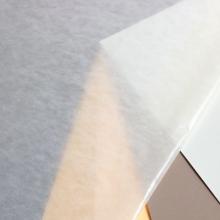
- Super calendered process achieves transparency exceeding 85%
- High surface gloss enhances display effects and elevates product prestige
- Low haze with uniform light transmission ensures clear visibility of contents
- Exceptional Barrier Performance
- Density up to 1.2g/cm³ effectively blocks oils and gases
- Oil resistance rated up to Grade 12 (Kit Test method)
- Low gas permeability effectively delays product oxidation
- Outstanding Physical Properties
- Longitudinal tensile strength ≥6.0 kN/m
- Tear strength ≥500 mN
- Moderate stiffness facilitates processing and forming
- Eco-Friendly & Safe Characteristics
- 100% recyclable and biodegradable
- No harmful chemical additives used in production
- Superior Processing Adaptability
- Surface smoothness ≥500s
- Suitable for high-speed printing, lamination, die-cutting, and other post-processing
- Anti-static treatment prevents adhesion issues during processing
- Stable Temperature Adaptability
- Temperature resistance range: -20°C to 120°C
- No release of harmful substances at high temperatures
- Maintains good flexibility in low-temperature environments
Primary Applications
This product is widely used in the following fields:
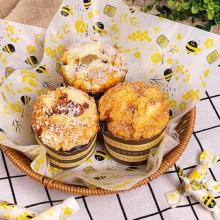
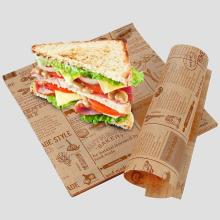
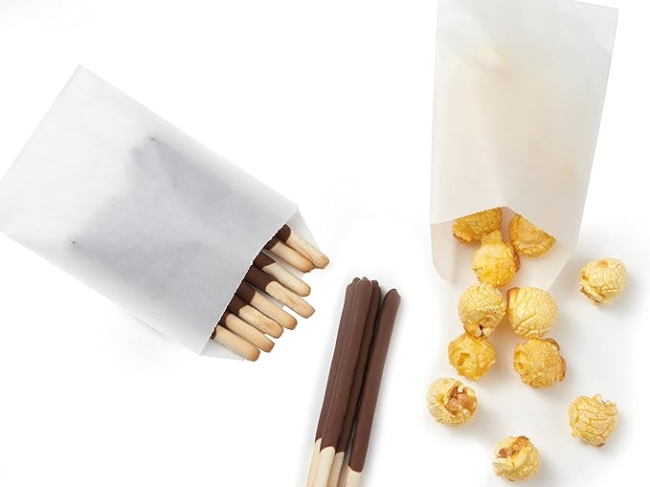
- Food Packaging: Pastry liners, chocolate separators, baking paper
- Industrial Packaging: Electronic component isolation, precision instrument protection
- Stationery & Cultural Products: Photo album pages, important document protection
- Specialty Packaging: Pharmaceutical packaging, cosmetic liners
- Other Applications: Arts & crafts, gift packaging
Get Professional Translucent Paper Solutions
Bofeng New Materials boasts a professional technical team capable of providing customized translucent paper solutions tailored to your specific requirements. We support the production of products with varying basis weights, thicknesses, transparency levels, and slitting specifications, backed by comprehensive technical support services.
Contact us immediately to obtain samples and detailed technical documentation! Let us enhance the value of your products with our professional translucent paper solutions.
Email: jason.zhan@bofmat.com