
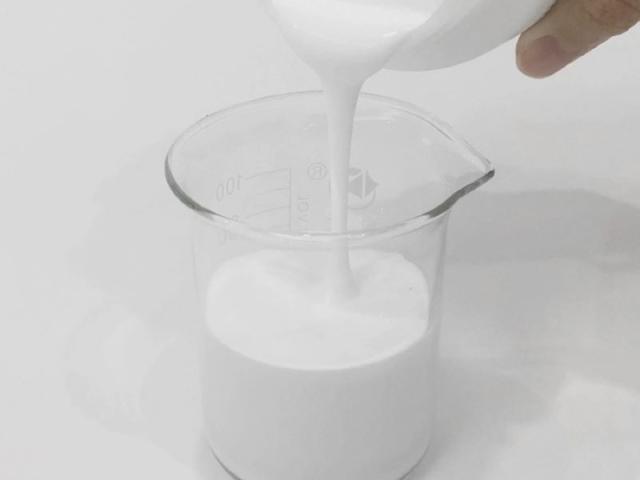
PHA coating is a functional coating used on paper to improve barrier performance while supporting bio-based or compostability-oriented packaging strategies. In food packaging, it is often discussed as an alternative to conventional plastic coatings for cups, lunch boxes, greaseproof wraps, food-service board and heat-sealable paper.
What Is PHA?
PHA stands for polyhydroxyalkanoate, a family of biopolyesters produced by microorganisms. Depending on the grade and formulation, PHA materials can be used in films, coatings, molded products and paper packaging structures. For paper buyers, the important point is not only that PHA is a bio-based material direction, but whether the final coated paper meets the required food-contact, barrier, converting and disposal requirements.
How PHA Coating Works on Paper
Paper naturally absorbs water, oil and moisture. A PHA coating forms a functional layer on the paper surface to improve resistance to grease, water, moisture or sealing conditions. The paper still provides stiffness, printability and fibre-based structure, while the coating adds barrier performance.
| Function | Why it matters |
|---|---|
| Grease resistance | Useful for wraps, liners, pastry, fried foods and oily food contact. |
| Water and moisture resistance | Important for cups, food containers and wet food packaging. |
| Heat-seal potential | Useful for closed packs, pouches and sealed paper structures. |
| Bio-based or compostability-oriented positioning | Supports projects that need alternatives to conventional fossil-based coatings, subject to testing and local acceptance. |
PHA Coating vs PLA, PE and Water-Based Coatings
| Coating type | Typical position | Buyer caution |
|---|---|---|
| PHA coating | Bio-based or compostability-oriented barrier direction | Final structure still needs food-contact, barrier, converting and disposal verification. |
| PLA coating | Bio-based coating often discussed for compostable packaging | Can have heat and brittleness limitations depending on use and grade. |
| PE coating | Conventional water barrier and heat-seal layer | Often less aligned with paper recycling and plastic-reduction goals. |
| Water-based coating | Paper-based recyclable direction for oil/water barrier | Needs repulpability, mill acceptance and food-use testing. |
Where PHA-Coated Paper Is Used
- PHA-coated cupstock paper for hot and cold drink cups.
- PHA-coated lunchbox paper and food-service board.
- PHA-coated greaseproof paper for wraps, liners and oily foods.
- PHA-coated heat-seal paper for sealed formats.
What Buyers Should Test
- Real food contact: oil, water, sauce, steam, acidity and temperature.
- Converting: printing, coating side, folding, creasing, forming, cup making or heat sealing.
- Barrier: grease resistance, water holdout, moisture resistance and seal integrity.
- Food-contact documents for the target market.
- Compostability or biodegradation claims for the final structure, not only the coating ingredient.
- Storage and blocking behaviour for reels, sheets and converted packs.
Claim Boundaries
PHA coating can support a bio-based or compostability-oriented packaging strategy, but buyers should avoid treating “PHA” as a universal environmental claim. Whether the final package is compostable, recyclable, food-contact compliant or suitable for a specific market depends on the full structure, test method, local collection route and end-use conditions.
Buyer Takeaway
PHA coating is best understood as a functional barrier layer for paper packaging with a bio-based material direction. It can be useful for cups, lunch boxes, wraps, bakery liners and heat-sealable formats, but it must be validated with real food, real converting equipment and target-market documents. For broader context, see PHA-coated paper, PHA vs PLA food packaging, compostable vs recyclable barrier paper, and PFAS-free barrier paper.
Bofmat can help compare PHA-coated paper with water-based barrier coating paper for specific food packaging applications. Request samples with your food type, forming process, temperature and target market.