
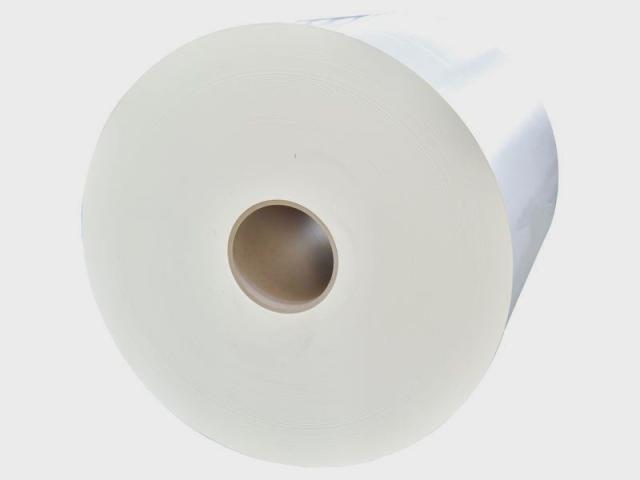
Compostable barrier paper and recyclable barrier paper are both used to replace conventional plastic-coated packaging, but they are not interchangeable. The better choice depends on the food residue, coating structure, collection system, converting process and the environmental claim your brand can support with evidence.
Practical rule: choose recyclable barrier paper when the package can enter a paper recycling stream with acceptable contamination. Choose compostable barrier paper when the package is likely to be heavily food-soiled and accepted by a suitable composting or bio-waste system. Avoid broad “eco-friendly” claims unless the disposal route and test evidence are clear.
Quick Comparison
| Question | Recyclable barrier paper | Compostable barrier paper |
|---|---|---|
| Best fit | Clean or lightly soiled paper packaging collected with paper | Food-soiled service packaging accepted in composting/bio-waste systems |
| Main design goal | Repulpability, fibre recovery and compatibility with paper recycling | Biological treatment under defined composting conditions |
| Common materials | Water-based barrier coating paper, recyclable dispersion-coated board | PHA-coated paper, compostable coated paper, certified compostable structures |
| Buyer risk | Coating, plastic layer, food residue or local collection may limit recyclability | Compostability may require industrial facilities and accepted collection routes |
| Claim evidence | Repulpability/recyclability test, local recycling acceptance, design-for-recycling review | Compostability certification/test, accepted composting route, clear disposal instruction |
What Recyclable Barrier Paper Means
Recyclable barrier paper is designed so the paper fibres can be recovered after use. In food packaging, this often means replacing PE or plastic lamination with a coating that can provide grease, water or moisture resistance while remaining more compatible with paper recycling. Water-based barrier coating paper is commonly used for this strategy.
However, “recyclable” is not only a material property. It also depends on collection, sorting, paper mill acceptance, food contamination and whether the coating interferes with fibre recovery. For claims in the U.S., the FTC Green Guides emphasize that environmental claims should be truthful, substantiated and qualified where needed. For the EU, Regulation (EU) 2025/40 on packaging and packaging waste pushes packaging design toward reuse or recycling and sets clearer recyclability expectations for packaging placed on the EU market.
What Compostable Barrier Paper Means
Compostable barrier paper is designed to break down under specified composting conditions. It may be a better route for food-service packaging that is normally wet, oily or heavily contaminated by food residues. PHA-coated paper can be considered when a project needs a bio-based or compostability-oriented coating direction, but the final claim still needs testing and market-specific verification.
The European Commission policy framework on biobased, biodegradable and compostable plastics notes that compostable plastics are typically intended to decompose in industrial composting facilities and first need to be collected. It also warns that bio-based, biodegradable and compostable materials have trade-offs and should be used where reduction, reuse or recycling is not practical. Under Regulation (EU) 2025/40 on packaging and packaging waste, only certain packaging categories are specifically directed toward compostability, while other biodegradable materials are expected to be designed for material recycling without harming other waste streams.
When to Choose Recyclable Barrier Paper
- Your target market has a practical paper collection and recycling route.
- The package is clean or only lightly contaminated after use.
- The coating is water-based or otherwise designed for paper fibre recovery.
- Your brand wants to support a paper-recycling claim with repulpability or mill-acceptance data.
- The package is used for cups, dry wraps, bakery bags, liners or other paper formats that can realistically be sorted as paper.
Useful Bofmat options include water-based barrier coating paper, water-based cupstock paper, and water-based coated burger wrappers.
When to Choose Compostable Barrier Paper
- The packaging is usually contaminated with food, sauce, grease or moisture.
- Your sales channel has access to industrial composting or an accepted bio-waste stream.
- You can provide a compostability test report or recognized certification for the final structure.
- The customer can separate the packaging correctly and the claim can be explained clearly on pack.
- The project prioritizes food-waste diversion together with compatible packaging disposal.
Useful Bofmat options include PHA-coated food service board, PHA-coated lunchbox paper, and PHA-coated greaseproof paper.
Common Claim Mistakes
- Calling a package “recyclable” without checking whether the coating and food residue are accepted in the target market.
- Calling a package “compostable” when no composting facility will accept it.
- Using “biodegradable” as a general environmental benefit without stating conditions, timeframe and disposal route.
- Confusing bio-based content with compostability. A bio-based material is not automatically compostable or recyclable.
- Using compostable packaging where it may contaminate paper recycling, or recyclable packaging where it will be too food-soiled to recycle.
Buyer Decision Matrix
| Packaging scenario | Recommended direction | Reason |
|---|---|---|
| Dry bakery bag or liner | Recyclable or greaseproof paper first | Low wet contamination; fibre recovery may be practical. |
| Hot/cold paper cup | Recyclable water-based cupstock if accepted locally | Recycling depends on cup collection and coating compatibility. |
| Takeout lunch box with sauce or oily food | Compostable/PHA route if composting exists; otherwise test recyclable coated board carefully | Food residue often limits recycling. |
| Burger wrapper | Recyclable coated paper for clean streams; compostable route for food-soiled systems | Choice depends on residue and local disposal route. |
| Heat-sealed paper pouch | Test both recyclability and seal-layer compatibility | Seal coating can change recycling behaviour and claim support. |
What Documents to Request
- Material structure and coating description.
- Food-contact statement for the target market.
- PFAS-free declaration and test scope for grease-resistant applications.
- Recyclability, repulpability or paper-mill compatibility test for recyclable claims.
- Industrial compostability or home-compostability test/certification for compostable claims.
- Clear disposal instruction matched to the buyer's market and collection infrastructure.
Buyer Takeaway
Recyclable barrier paper is often the first option for clean paper packaging where fibre recovery is realistic. Compostable barrier paper is more relevant when food residue makes recycling difficult and composting infrastructure is available. The safest choice is not the label itself; it is the combination of material structure, real disposal route and evidence behind the claim.
Bofmat can help compare PFAS-free barrier paper, water-based recyclable structures and PHA-coated compostability-oriented structures for your target market. Review related guides on FDA and EU food contact paper, greaseproof vs barrier paper, and heat-sealable barrier paper, or request samples for real packaging tests.