
Navigating the Evolving PFAS Regulatory Landscape Across Asia's Major Markets
While much of the global attention on PFAS regulation has focused on Europe and the United States, Asia's three largest economies — China, Japan, and South Korea — have been making significant regulatory moves that directly impact food packaging manufacturers and importers. For businesses sourcing or selling food packaging in the Asia-Pacific region, understanding these regulatory frameworks is essential for compliance.
This guide provides a country-by-country analysis of PFAS-related regulations affecting food packaging in China, Japan, and South Korea as of mid-2026, with key deadlines and a practical compliance roadmap.
Why Asia Matters for PFAS Compliance in Food Packaging
Asia accounts for over 40% of global paper and paperboard packaging production, with China alone producing more than 110 million tons annually. As regulatory pressure on PFAS intensifies worldwide, Asian markets are developing their own regulatory approaches — ranging from comprehensive bans (Japan) to industry-led transitions (China) to regulatory monitoring (South Korea). For global food brands and packaging suppliers, compliance cannot be limited to Western markets.
China: GB 9685 Revision — Toward a Complete Fluorine Ban
Regulatory Framework
China's primary food contact material regulation is GB 9685 (Standard for the Use of Additives in Food Contact Materials and Products), administered by the National Health Commission (NHC). The current revision process represents the most significant shift in Chinese food contact material regulation in a decade.
Key Developments
2025: The NHC published an industry征求意见稿 (draft for comment) proposing the removal of all fluorinated compounds from the permitted additives list in GB 9685. This includes:
- FCA0271 — Fluorinated acrylic polymer sodium salt
- FCA0283 — Fluorinated acrylate copolymer
- FCA1143 — Bis[ethyl(perfluorooctane)sulfonamidoethyl] phosphate ammonium
- All other fluorinated oil-repellent agents
Expected 2026 H2: The revised GB 9685 is expected to be officially published, with a transition period to be announced.
Impact on Food Packaging
The removal of fluorinated compounds directly affects:
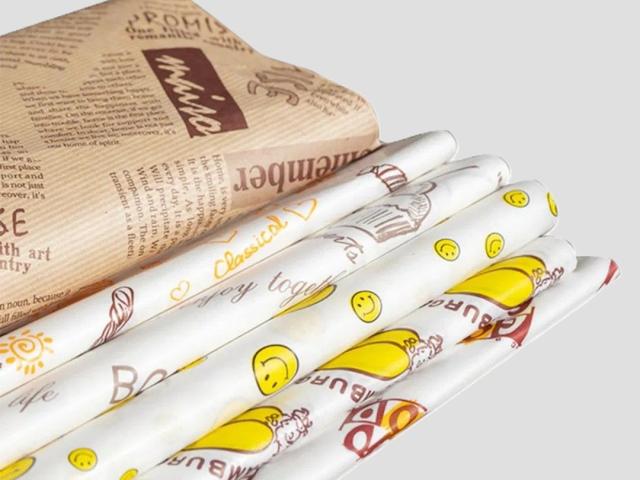
- Food-grade burger wrap and greaseproof paper — traditionally coated with fluorinated oil-repellent agents
- Pulp-molded meal containers — pulp formulations using fluorinated additives (approximately 8 kg per ton of pulp)
- Fast-food packaging — boxes and wrappers for fried foods, burgers, and baked goods
Industry Standards Already in Place
Even before the formal GB 9685 revision, a CSTM group standard — Evaluation Standard for PFAS-Free Oil-Repellent Plant-Fiber-Based Food Contact Materials (T/CSTM 01169—2024) — was published on May 16, 2024 and took effect on August 16, 2024. Over 40 companies across the supply chain participated in its development.
Alternative Technologies in China
The Chinese market is actively transitioning to PFAS-free alternatives:
- Biomass-based oil-repellent materials (chitosan derivatives, oil-repellent starch) — for surface sizing applications
- Water-based acrylic emulsions — for machine coating and sizing
- Wax-based waterborne PFAS-free repellents — suitable for 20–60°C applications
- Silicone-based materials — for high-temperature scenarios (above 90°C)
Leading Chinese barrier paper manufacturers are investing heavily in water-based coating and biopolymer coating technologies to meet both domestic and export market requirements.
Japan: CSCL Designations + Positive List — A Dual Regulatory Approach
Regulatory Framework
Japan employs a two-pronged regulatory approach: the Chemical Substances Control Law (CSCL/化審法) controls industrial chemical substances including PFAS, while the Food Sanitation Act (JFSL) governs food contact materials through its Positive List system.
Key Developments
PFHxS Class I Designation (CSCL)
December 2025: Japan amended the CSCL Enforcement Order to designate PFHxS as a Class I Specified Chemical Substance, following its 2022 addition to the Stockholm Convention.
April 17, 2026: A ministerial ordinance specified 117 PFHxS-related substances covered under the designation.
Effective June 17, 2026: Manufacture, import, and use of the 117 listed substances is prohibited in principle.
The import ban covers 10 categories of finished products containing PFHxS, including metal etching agents, surface treatment agents, water/oil repellents, treated textiles, and fire-fighting agents.
Food Contact Materials Positive List
June 1, 2025: Full implementation of the Positive List system for synthetic resins (plastics) under JFSL. Only substances listed in the official positive list are permitted for use in plastic food contact materials.
June 1, 2026: A new Overall Migration Limit (OML) of <0.1 mg/cm² takes effect for plastic food contact materials.
Other PFAS Actions
- February 2026: Long-chain PFCAs designated as Class I Specified Chemical Substance
- September 2025: 8:2 FTOH exception for medical resin manufacturing deleted
Impact on Food Packaging
Japan's approach effectively restricts PFAS in food contact materials through two mechanisms:
- The Positive List excludes PFAS compounds unless specifically listed and approved — and no PFAS compounds are currently on the list for food contact use
- The CSCL Class I designations prohibit manufacture, import, and use of PFHxS and long-chain PFCAs, covering upstream chemical supply chains
For food packaging importers: any food contact material containing substances from the 117 listed PFHxS-related compounds is effectively prohibited from import into Japan from June 17, 2026.
South Korea: Preparing for PFAS Regulation Through EU Alignment
Regulatory Framework
South Korea's food contact materials are regulated by the Ministry of Food and Drug Safety (MFDS) under the Standards and Specifications for Utensils, Containers and Packages.
Current Status — No Domestic PFAS Ban Yet
As of mid-2026, South Korea has not implemented a standalone PFAS ban specifically targeting food contact materials. Recent regulatory updates have focused on:
- MFDS Notice 2026-24 (March 27, 2026): DEHP in PVC tightened to "not detected"; DEHA in PVC wraps tightened to "not detected" (effective March 27, 2027)
- MFDS Notice 2026-008 (Proposed): Stricter migration limits for lead, zinc, and nitrosamines in rubber/silicone products for infants
- Recycled content expansion: Recycled PP now permitted alongside previously approved recycled PET
EU PPWR Preparation
While South Korea has not yet enacted domestic PFAS legislation for food packaging, the government is actively preparing exporters for the EU Packaging and Packaging Waste Regulation (PPWR), which includes PFAS restrictions taking effect in August 2026. Key activities include:
- March 2026: Ministry of Agriculture seminar specifically addressing "PFAS and heavy metals" under EU PPWR for K-food exporters
- April 2026: Joint government briefings on EU PPWR compliance covering PFAS restrictions, recyclability grading, and recycled content requirements
Outlook
Industry observers expect that South Korea will develop its own domestic PFAS regulations for food contact materials in the medium term, driven by:
- Export exposure to EU regulations (Korean food exporters to the EU must comply with PPWR from August 2026)
- Growing domestic consumer awareness of PFAS issues
- Alignment with regulatory trends in Japan and China
Cross-Asia Regulatory Comparison
| Country | Regulatory Approach | PFAS in Food Packaging Status | Key Deadline |
|---|---|---|---|
| China | GB 9685 revision — removing all fluorinated additives | Industry transition underway; CSTM standard already in effect | New GB 9685 expected 2026 H2 |
| Japan | CSCL Class I + JFSL Positive List | Effectively restricted through Positive List and chemical bans | PFHxS ban June 17, 2026; OML June 1, 2026 |
| South Korea | Monitoring phase; preparing for EU PPWR | No domestic ban yet; compliance required for EU-bound exports | EU PPWR August 2026 (for Korean exporters) |
Compliance Recommendations for the Asian Market
Immediate Actions (July — December 2026)
- China: Monitor the final GB 9685 revision publication. Begin transitioning food packaging products to PFAS-free alternatives now — the CSTM group standard provides a framework for PFAS-free certification
- Japan: Verify all food contact materials sold or imported into Japan do not contain any of the 117 PFHxS-related substances. Ensure compliance with the Positive List system and the new OML requirement
- South Korea: If exporting to the EU, prepare for PPWR PFAS restrictions effective August 2026. For domestic Korean sales, continue monitoring MFDS for potential future PFAS regulations
Product Transition
Bofeng New Materials offers a range of PFAS-free barrier papers suitable for Asian market compliance:
- Water-Based Barrier Coating Paper: Meets China's emerging PFAS-free standards; suitable for fast-food wrappers, cupstock, and food service board
- PHA Coated Cupstock Paper: Fully compostable; ideal for ice cream cups and lunchboxes; compliant with Japan's Positive List requirements
- Biodegradable barrier paper solutions: Including water-based coated, PHA coated, and PLA coated papers — all designed to meet Asian regulatory standards for compostable and recyclable food packaging
Conclusion
The Asian PFAS regulatory landscape is evolving rapidly. Japan has the most comprehensive framework, effectively restricting PFAS in food contact materials through both chemical substance controls and the Positive List system. China is in the final stages of a major regulatory revision that will remove all fluorinated compounds from food contact materials. South Korea has not yet enacted domestic PFAS legislation but is actively preparing its export industries for international requirements. Food packaging businesses operating in or exporting to Asia should begin transitioning to PFAS-free alternatives now to ensure compliance across all three major markets.
At Bofeng New Materials, we provide PFAS-free barrier papers tested for compliance with Chinese, Japanese, and international food contact standards. Contact our technical team to discuss your specific Asia market requirements.
This guide was published in June 2026 and reflects the regulatory landscape as of that date. Regulations are subject to change; consult local legal counsel for specific compliance advice.